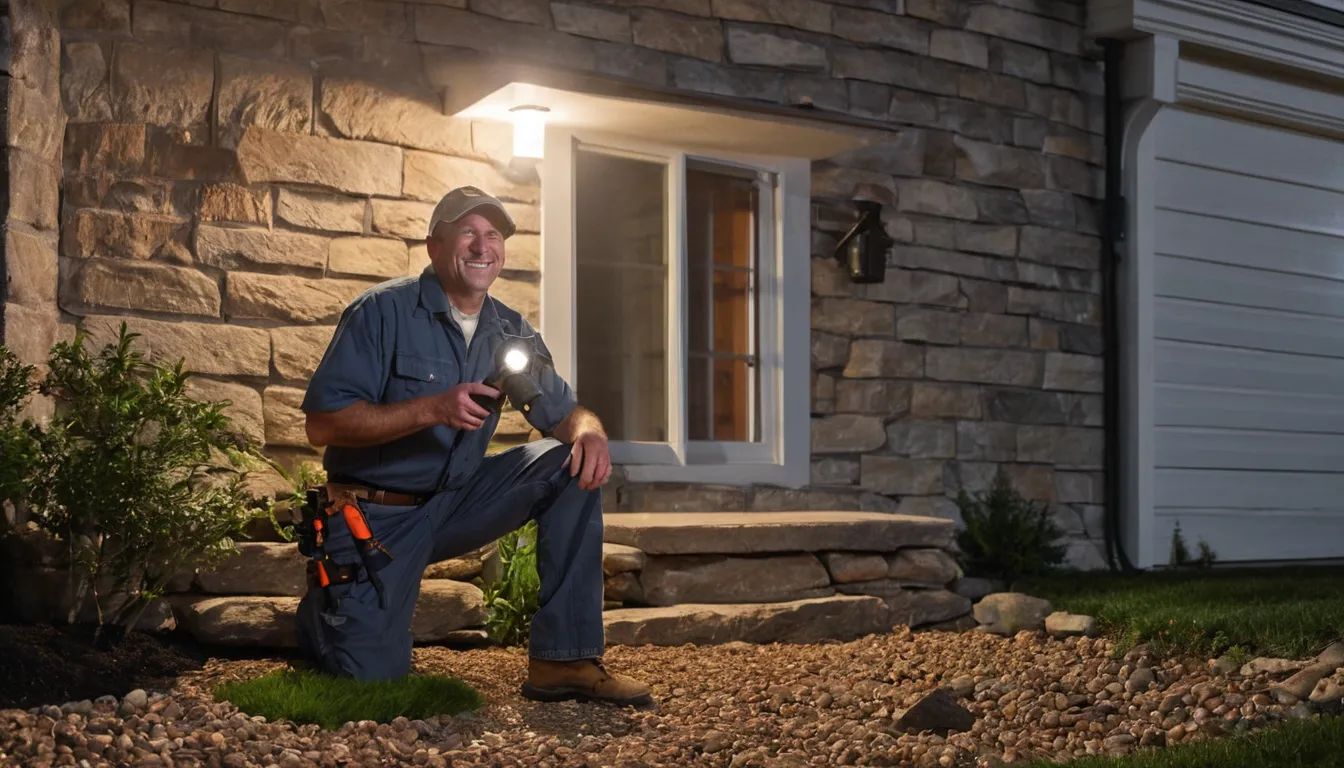
Finding ants in the pantry or droppings in the basement can make your stomach drop. That feeling is normal. Most pest problems are common, and local providers deal with them every week. They inspect, find the cause, treat the problem, and explain what comes next.
Usofcode Pest Control is a referral service. We do not do the treatment ourselves. We connect homeowners in Barnstable Town and the Barnstable Town area with independent providers in our network. On this page you will find calm first steps, what residential pest control usually covers, typical costs, and the questions to ask before you hire. Take it one clear step at a time.
Breathe, then look
You saw something that should not be there. Maybe it was a line of ants, a mouse by the stove, or a spider you did not expect. Your first thought may be that the whole house is affected. Usually it is not.
Take a slow breath. Then look closely. A few calm minutes now will help a provider help you later.
Your first hour, step by step
Here is one clear step after another.
- Note what you saw, where you saw it, and when.
- Take a clear photo if you can do it safely.
- Keep food in sealed containers and wipe up crumbs and spills.
- Keep kids and pets away from the spot.
- Write down any bites, droppings, chew marks, or damp areas.
That short list is enough. You do not need to solve it tonight.
What to skip for now
It is tempting to grab every spray in the store. Try not to. Heavy spraying can scatter ants and roaches into new rooms. It can also leave residue where children and pets play.
Avoid sealing holes before you know what is using them. An animal trapped inside a wall can create a bigger problem.
Request Service
Why acting early matters
Small pest problems grow. A few mice can become a nest. A handful of roaches can become a crowd. Many pests multiply fast once they find food, water, and warmth.
In our region, cold snowy winters push pests indoors. Freeze-thaw cycles open tiny cracks in stone and block foundations. Spring snowmelt and coastal storms bring moisture, and moisture draws insects. Older homes with full basements often have many quiet ways in.
A provider can often spot these weak points quickly. Waiting does not usually make the job smaller.
What residential pest control covers
Residential pest control is a service for the home you live in. It usually starts with an inspection. The provider looks for the pest, the entry points, and what is drawing it in.
Then comes a treatment plan. That may include:
- Targeted products placed where pests travel or hide
- Baits, traps, or barrier treatments around the outside
- Advice on sealing gaps and fixing moisture
- A follow-up visit to check that it worked
Good providers explain each step before they begin.
Common pests providers treat
If you searched for an exterminator near me, you likely have one of the usual suspects. Providers in our network commonly treat:
- Ants, including carpenter ants that nest in damp wood
- Roaches
- Spiders
- Crickets
- Mice and rats
- Wasps and other stinging insects
Each one needs a different method. A product that works on ants may do nothing for mice.
Bed bugs and tougher cases
Bed bugs are a special worry, and they are not a sign of a dirty home. They travel on luggage and used furniture, and they spread easily in multi-family buildings. Bed bug treatment usually takes more than one visit and careful prep. Ask the provider exactly what you will need to do before they arrive.
When it is wildlife, not pests
Squirrels in the attic or raccoons near the chimney are a different job. Wildlife removal often means humane trapping, exclusion work, and repairs. Many providers handle both, but some do not. Say what you are hearing or seeing when you ask.
Request Service
Questions about product safety
It is fair to worry about what goes into your home. Ask the provider which products they plan to use and where they will place them. Ask how long kids and pets should stay away from treated areas.
A good answer is specific. It names the product type, the spots being treated, and any waiting time. A vague answer is a reason to ask more questions.
One visit or an ongoing plan?
Some problems need only one treatment. A single wasp nest is a good example. Others, such as roaches or seasonal ants, may call for a plan with repeat visits.
Ask what the plan includes and what happens if the pests return between visits. Also ask how to stop the service if you no longer need it.
Ask before you hire
A few simple questions help you hire with confidence:
- Are you licensed in this state, and can you show it?
- Do you carry insurance?
- What exactly will you treat, and how often?
- Will you give me a written quote before work starts?
- What should I do before and after your visit?
A good provider answers plainly and does not rush you.
Red flags to watch for
Be careful if someone pressures you to sign today. Be careful if they will not name their products, quote only by phone with no look at the home, or ask for the full payment upfront. A trustworthy provider is happy to put things in writing.
Helping the treatment work
You can do a lot to help. Fix leaky pipes and run a dehumidifier in damp basements. Store food in sealed containers. Move firewood away from the house. Seal gaps around pipes and doors once the provider says it is safe.
Follow the prep list closely. It makes the visit more effective.
Request Service
What's Included
Home Inspection
A provider checks inside and outside for pests, entry points, moisture, and food sources before suggesting any treatment.
Targeted Treatment
Products and methods are matched to the pest, applied where it travels, hides, or nests.
Entry Point Advice
Providers point out gaps, cracks, and damp spots so pests have a harder time returning.
Follow-Up Visits
Many plans include a recheck to confirm the problem is under control and adjust if needed.
Typical Pest Control Costs
Prices vary by pest, home size, and how bad the problem is. These are typical U.S. ranges only. Always ask for a written quote before you agree to any work.
| Service | Typical range | Notes |
|---|
| Inspection visit | $75 – $200 | Sometimes applied toward the treatment price |
| One-time ant or spider treatment | $100 – $350 | Depends on home size and activity |
| Roach treatment | $150 – $500 | Heavy cases may need repeat visits |
| Ongoing plan, per visit | $40 – $150 | Often quarterly or seasonal |
| Mouse or rat control | $200 – $1,000 | Sealing entry points can add cost |
| Bed bug treatment | $1,000 – $3,000 | Larger homes and heat methods can cost more |
Request Service
How It Works
Note What You See
Write down the pest, the location, and the time. Take a photo if it is safe.
Ask a Provider
Request an estimate through the form, or request a callback to check provider availability near you.
Get Inspected
The provider looks around, finds the cause, and explains the plan.
Follow the Prep List
Do the simple prep tasks, then ask about follow-up and prevention.
Why Call Usofcode Pest Control
Plain Answers
Providers in our network are asked to explain what they found, what they will do, and why.
Local Know-How
Local providers understand older homes, damp basements, and what winter pushes indoors.
No Pressure
Requesting an estimate carries no obligation. You decide what happens next.
Clear Next Step
We help you reach a provider so you are not searching alone.
Other Services